What Is Free Speech
Knihu koupíte v
1 e-shopu
od
495 Kč
Pokud se vám po kliknutí na tlačítko "Do obchodu" nezobrazí stránka knihy ve vybraném e-shopu, je třeba vypnout AdBlock ve vašem prohlížeči pro naši stránku.
Návod na vypnutí je například na adrese https://o.seznam.cz/jak-vypnout-adblock/#1.
Krátký popis
'Eye-opening, thought-provoking and deeply enjoyable, What is Free
Speech? is a work of great profundity and brilliance’William
Dalrymple A fresh and exciting approach to one of the most
controversial subjects of our time‘Free Speech!’ is a clarion call
all over the world, yet what it means today is more contested than
ever. Many cultures regard it as dangerous: in China, India, and
across the Islamic world, unorthodox views about politics, sex, and
religion are repressed and people are often punished for expressing
them. Even in the western world, where it is held up as a core
value, there is widespread discord and disagreement about what
freedom of expression means. Amidst perennial imbalances of power,
continually evolving cultural taboos, dramatic new technologies and
a fast-changing global media landscape, where free speech comes
from – and how we might think about it – are critical
questions.Through the lens of history, What Is Free Speech? shows
us that freedom of speech is not an absolute from which societies
and regimes have drifted or dissented at different times, but
something more complicated and interesting.Our modern conceptions
of press and speech liberty, Dabhoiwala shows, were invented in
Britain around 1700. The real history of freedom of expression is a
story of countless fascinating men and women whose lives have
shaped its principles and practices over the past 300 years –
slaves and imperialists, poets and philosophers, plutocrats and
revolutionaries. Ranging across Europe, North America and South
Asia, and not neglecting other parts of the world, Dabhoiwala
rejects celebratory platitudes about the past and present of free
expression. Instead, his book explains how to think more deeply
about free speech as a global as well as a local question - by
tracing how we got into our current predicaments, showing that
history complicates our contemporary presumptions, and suggesting
fresh possibilities for the future.
Výběr knih autora
Fara Dabhoiwala

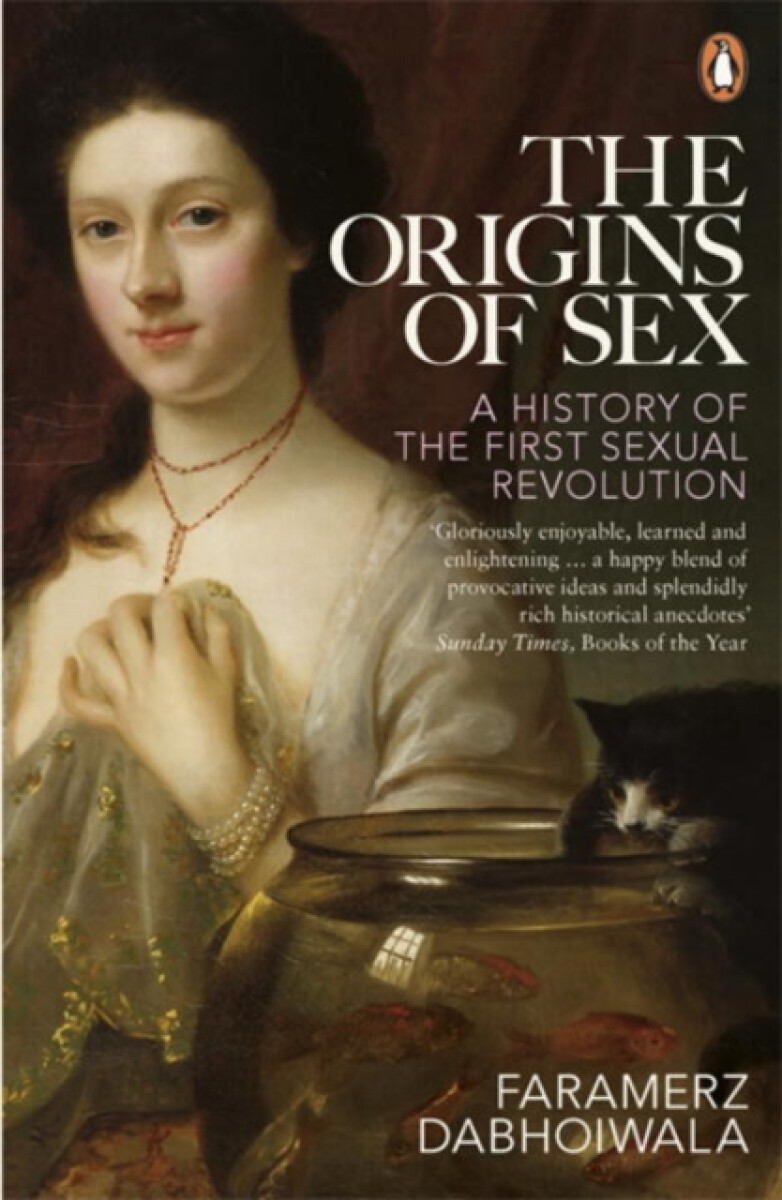
Zobrazit všechny knihy autora
Fara Dabhoiwala
Výběr knih vydavatele
Penguin




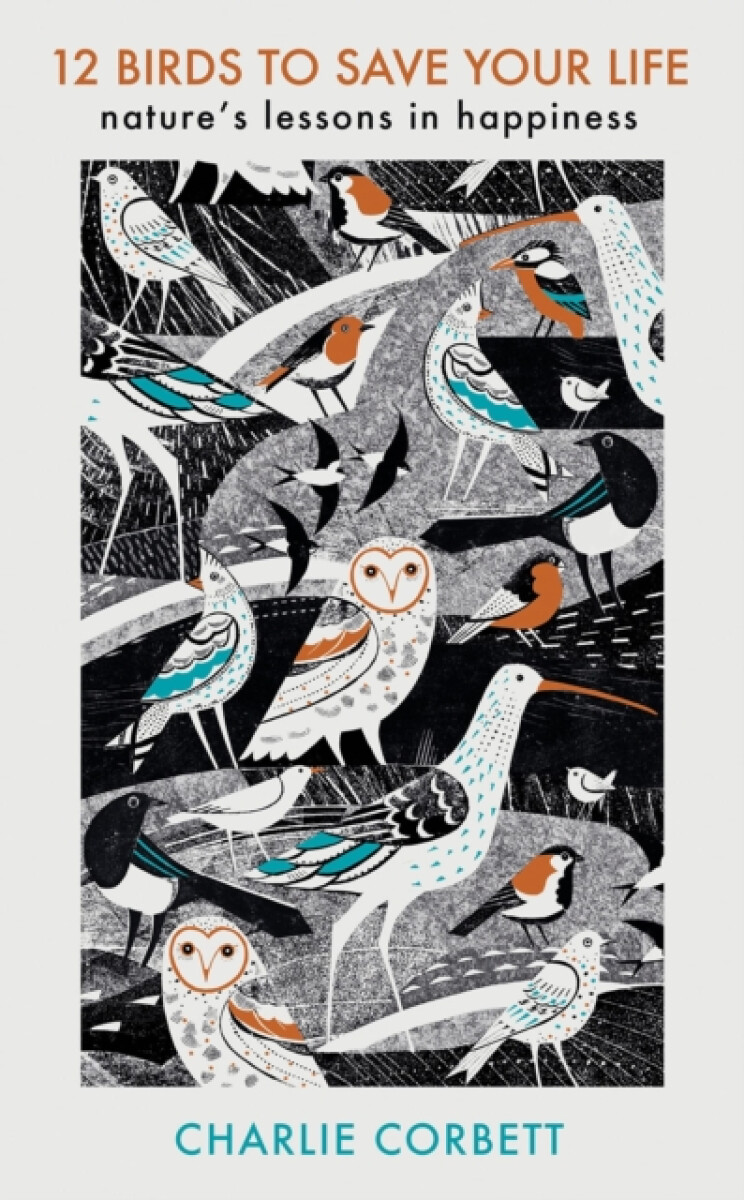
Zobrazit všechny knihy vydavatele
Penguin
Naše tipy


- Právě probíhající akce a slevy na knihy
-
Knihydobrovsky.cz | do 30.06.2026
-
Knihydobrovsky.cz | do 30.06.2026
-
Knihydobrovsky.cz | do 30.06.2026
-
Knihydobrovsky.cz | do 16.08.2026
-
Knihydobrovsky.cz | do 31.08.2026
- zobrazit všechny akce