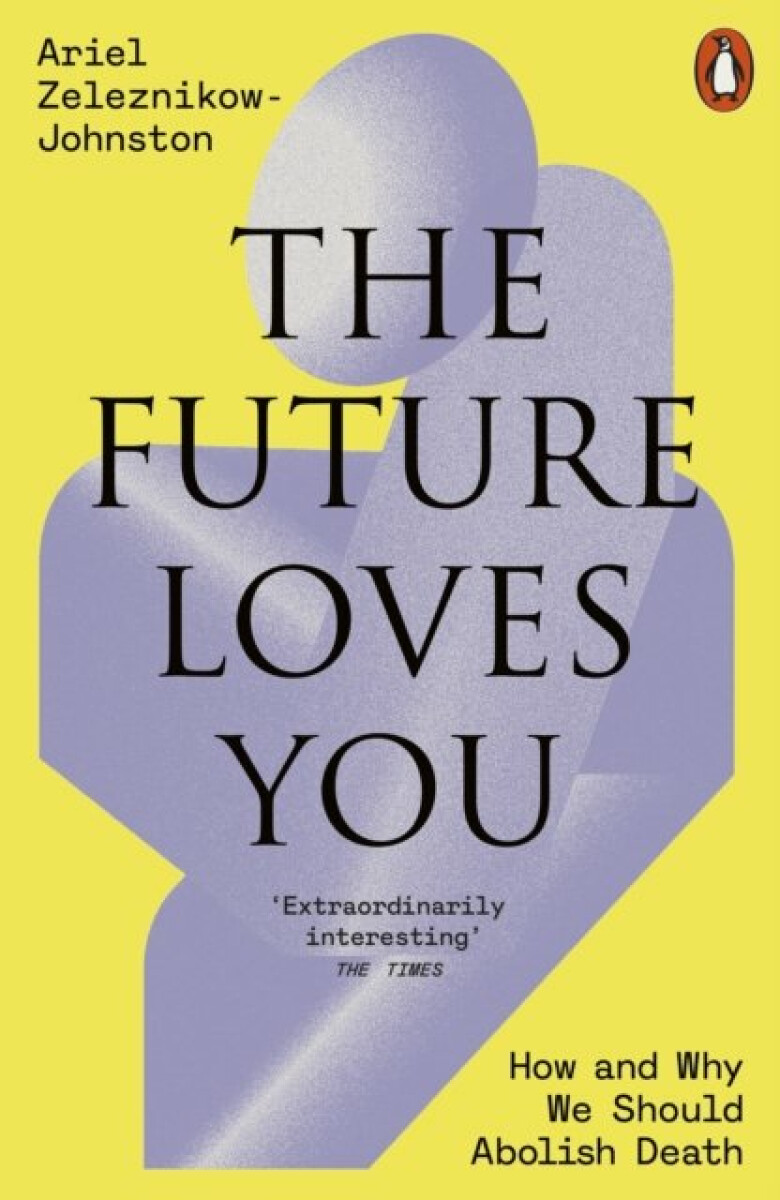
The Future Loves You

A brilliant young neuroscientist explains how to preserve our minds indefinitely, enabling future generations to choose to revive usJust as surgeons once believed pain was good for their patients, some argue today that death brings meaning to life. But given humans rarely live beyond a century – even while certain whales can thrive for over two hundred years – it’s hard not to see our biological limits as profoundly unfair. No wonder then that most people nearing death wish they still had more time.Yet, with ever-advancing science, will the ends of our lives always loom so close? For from ventilators to brain implants, modern medicine has been blurring what it means to die.In a lucid synthesis of current neuroscientific thinking, Zeleznikow-Johnston explains that death is no longer the loss of heartbeat or breath, but of personal identity – that the core of our identities is our minds, and that our minds are encoded in the structure of our brains. On this basis, he explores how recently invented brain preservation techniques now offer us all the chance of preserving our minds to enable our future revival.Whether they fought for justice or cured diseases, we are grateful to those of our ancestors who helped craft a kinder world – yet they cannot enjoy the fruits of the civilization they helped build. But if we work together to create a better future for our own descendants, we may even have the chance to live in it.Because, should we succeed, then just maybe, the future will love us enough to bring us back and share their world with us.







- Právě probíhající akce a slevy na knihy
-
Knihydobrovsky.cz | do 30.06.2026
-
Knihydobrovsky.cz | do 30.06.2026
-
Knihydobrovsky.cz | do 30.06.2026
-
Knihydobrovsky.cz | do 16.08.2026
-
Knihydobrovsky.cz | do 31.08.2026
- zobrazit všechny akce