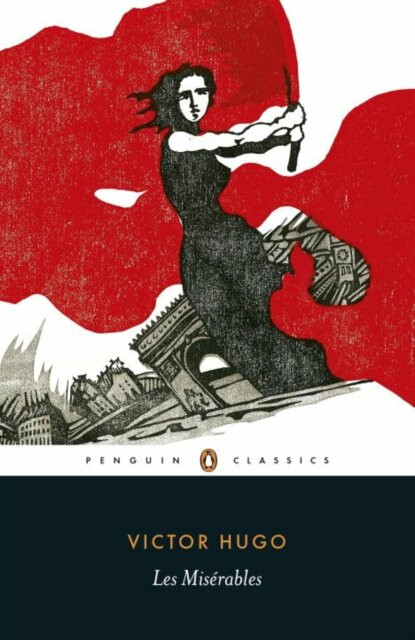
Les Miserables


A brilliant modern translation by Christine Donougher of Victor Hugo's thrilling masterpiece, with an introduction by Robert Tombs. This is the best translation of the novel available in English, as recommended by David Bellos in The Novel of the Century. Victor Hugo's tale of injustice, heroism and love follows the fortunes of Jean Valjean, an escaped convict determined to put his criminal past behind him. But his attempts to become a respected member of the community are constantly put under threat: by his own conscience, and by the relentless investigations of the dogged policeman Javert. It is not simply for himself that Valjean must stay free, however, for he has sworn to protect the baby daughter of Fantine, driven to prostitution by poverty. 'A magnificent achievement. It reads easily, sometimes racily, and Hugo's narrative power is never let down ... An almost flawless translation, which brings the full flavour of one of the greatest novels of the nineteenth century to new readers in the twenty-first' - William Doyle, Times Literary Supplement 'The year's most interesting publication from Penguin Classics was [...] a new translation by Christine Donougher of the novel we all know as Les Miserables. You may think that 1,300 pages is a huge investment of time when the story is so familiar, but no adaptation can convey the addictive pleasure afforded by Victor Hugo's narrative voice: by turns chatty, crotchety, buoyant and savagely ironical, it's made to seem so contemporary and fresh in Donougher's rendering that the book has all the resonance of the most topical state-of-the-nation novel' - Telegraph 'Christine Donougher's seamless and very modern translation of Les Miserables has an astonishing effect in that it reminds readers that Hugo was going further than any Dickensian lament about social conditions [...]The Wretched touches the soul' - Herald Scotland















- Právě probíhající akce a slevy na knihy
-
Knihydobrovsky.cz | do 30.06.2026
-
Knihydobrovsky.cz | do 30.06.2026
-
Knihydobrovsky.cz | do 30.06.2026
-
Knihydobrovsky.cz | do 16.08.2026
-
Knihydobrovsky.cz | do 31.08.2026
- zobrazit všechny akce